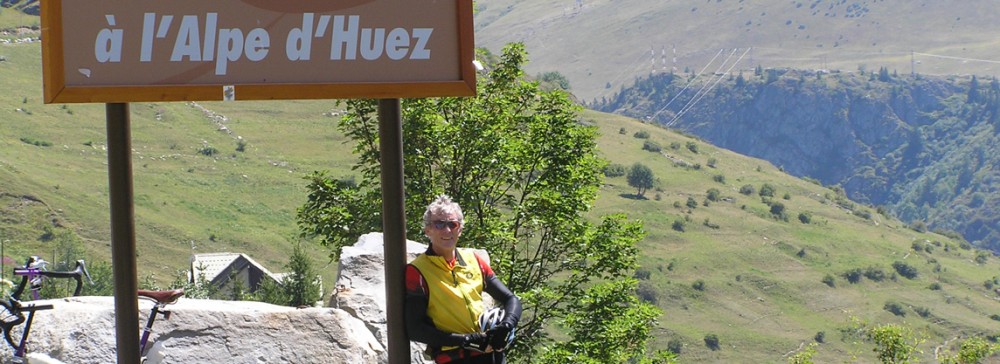
The information in this post has been revised and enhanced in Nutrition for Cyclists: Eating and Drinking Before, During and After the Ride which can be purchased on Amazon.com. The enhancements include increased attention given to how fats are processed during the ride, an easy-to-calculate metric for evaluating whether different foods are likely to make for good on-the-bike eating, and an extended section on keeping hydrated during the ride. For information about Nutrition for Cyclists and how it relates to what I’ve posted to Tuned In To Cycling, please check out this post.
I’m continually amazed at the things I see cyclists eat during and after rides but am never surprised to see the effects ranging from loss of energy, through loss of concentration leading to mistakes and sometimes  injury, to a full-fledged bonk. The basic roles played by glycogen storage, blood glucose and the extraction of glucose from ingested carbohydrates are well understood as is what you need to do to avoid nutrition-based problems while you’re riding. That doesn’t stop riders from falling prey to these problems all of the time, however. Sometimes cyclist’s ideas about nutrition are based more on currently popular nutritional fads than sound knowledge. Sometimes riders have an emotional commitment to eating particular foods and don’t want to change. And sometimes you know what to do but you just can’t bring yourself to do it. Whatever the reason, ignoring basic endurance nutrition almost always means trouble.
As detailed in another post, muscles burn glucose for fuel and the body stores glucose in the form of glycogen which can be broken down into useable glucose when working muscles need an increased fuel supply. The body can store enough glycogen to support approximately 90 minutes of moderate-intensity exercise. If you are going to ride more than 90 minutes, or if you are going to experience periods of high intensity riding, such as strenuous hill climbing, on a ride of less than 90 minutes, you are going to need to get glucose to fuel your muscles from food you ingest during the ride.
What kind of food should you eat? The answer is well known and well supported by decades of research into endurance athletics. Carbohydrates. Why carbohydrates? Primarily because their chemical structure is such that they can be broken down quickly and efficiently into useable glucose. Glucose can be derived from fats and proteins as well as carbs and fats might seem to be an especially good source of energy because fats have roughly twice the number of calories as carbs or proteins. The problem with both fats and proteins is that the process of breaking them down to extract useable glucose takes a long time and is inefficient. You have to burn more energy to extract glucose from fats than you do to extract it from carbs. In fact, fat metabolism (the process of breaking the fat down) requires carbohydrate that could have been more efficiently burned for glucose if wasn’t used to break down the fat. Moreover, and possibly of more importance to you while you’re on the bike, it takes a fairly long time to extract glucose from fat or protein. If you eat fat or protein loaded food during a ride, the ride may well be over by the time the fats and proteins have been processed to the point where you can get energy from them. In the meantime, all the energy used in breaking down the fats hasn’t been available for powering the muscles. Carbs, on the other hand, can be broken down quickly and efficiently to provide the glucose needed to keep going on the bike. They are absolutely essential for the long-distance cyclist.
Where do you get the carbs you need during a long ride? Some high-carb foods like pasta and rice are impractical to eat during a ride; you need high carb, low fat foods that you can easily carry with you on the 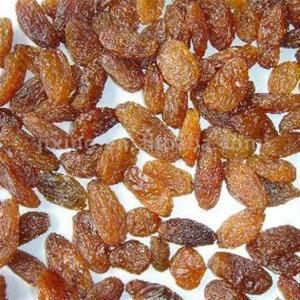 bike. Good on-the-bike foods include dried fruit like raisins or dates, bagels, and low fat bite-sized cookies. Energy bars are a terrific source of carbs. For example, a single Powerbar has 45 grams of carbohydrate and only 2 grams of fat. There are also energy gels made specifically for endurance athletes such as Power Gel or Goo that have very high doses of carbs. If you eat high density carb supplements like energy bars or gel, make sure to drink plenty of water with them or they will sit like sludge in your stomach and you won’t get the quick transfer of carbs into blood glucose you need. Another excellent source of carbs are sports drinks like Gatorade. These drinks are usually loaded with carbohydrates and although they are marketed as important sources of electrolytes, the carbs they supply are probably of much more importance for the endurance cyclist.
When do you eat? A common cycling mantra is “Eat before you’re hungry and drink before you’re thirsty”. This is excellent advice. By the time the body reacts to low levels of fuel or fluid and sends hunger and thirst signals it’s too late. Rather than stopping and eating a large amount of food (such as lunch) mid ride, nibble high carb foods frequently throughout the ride. This not only provides immediate glucose, it can help protect the body’s glycogen stores; if the muscles are burning glucose from the low-fat fig newton you just ate, they’re not burning your stored glycogen. Try to ingest some carbohydrates every 30 minutes or so. Start eating during your first hour on the bike. The sooner you begin drawing needed energy from food intake the longer you can keep a reserve of stored glycogen.
How do you carry the food? Eating on the bike isn’t easy, especially in the first hour when you probably won’t feel hungry. Stopping to eat makes eating even more of a hassle which makes it more likely you’ll skip it. Bad idea. When pros like the rider in the picture at the top of this post ride in a race, they have feed zones where they pick up a musette bag filled with enough food to get them through the next segment of the race. You won’t have this luxury so you’ll have to carry nibble food in a fanny pack or your rear jersey pockets and learn to eat while you ride. Because I don’t like to hassle with getting food out of wrappers or putting uneaten food away while I’m riding, I usually bring bite-sized foods with me on the bike. If I have something larger like a Powerbar, I cut it up into bite-sized pieces before the ride. To get at food easily I put it in a baggie and then roll the baggie up without sealing it. When it’s time for food, I simply unroll the baggie, reach in and pull out something to eat. No fuss, no muss and no garbage like food wrappers to put away when I’m done. It takes a surprising amount of practice to get in the habit of eating regularly on the bike. Practicing eating may sound like a crazy idea but it’s very easy to forget and run into trouble later. Note the time your ride starts and make yourself nibble some food every 30 minutes.
What’s the best kind of food to eat on the bike? Disciplining yourself to eat by the clock on the bike is difficult. It can be a hassle to get out the food, riding with food in your mouth can be unpleasant, and sometimes eating can be the last thing you feel like doing. For all of these reasons one of the most important considerations when deciding what kind of food you should bring with you on the bike is whether or not you’ll actually eat it when the time comes. Having some kind of goo, gel or energy bar with you that is marketed as “scientifically proven” to be the optimal energy source for the endurance athlete and is endorsed by famous cyclists is useless if you won’t eat it because you think the stuff tastes like shit or feels disgusting in your mouth. It’s easy to find an excuse not to eat when you’re on the bike. Bring food that is mainly carbs but bring food you like. It’s better to get a little fat with your carbs by eating a low-fat bite sized cookie than getting no carbs at all because the thought of a mouthful of Goo makes you want to puke. Experiment with different foods to find a combination that is high in carbs and low in fats and proteins that you will eat while you’re on the bike.
Can I have too many carbs? If you’re going to be ingesting large amounts of carbohydrate during the course of a ride, you should be aware that high concentrations of carbohydrate in the stomach can cause gastrointestinal distress such as nausea. The more you rely on dense carb sources like gels and energy bars, the more you’re likely to run into this problem. If you listen to live broadcasts from multi-day stage races like the Tour de France you will frequently hear reports of professional riders that are having gastrointestional problems during the race. Individuals vary widely in their sensitivity to carbohydrate concentration so you will have to experiment to find your limits. If you’re feeling nauseous, drink water to reduce the concentration of carbohydrate in your stomach and lengthen your feed time until you feel better.
What happens if I don’t eat? Ingesting carbs while you’re cycling isn’t always easy and it it isn’t always fun but it’s absolutely necessary if you want to have the energy you need to finish your ride. Failing to take in the carbs you need can lead to pronounced losses of energy and strength, reduced awareness of what’s going on around you, and increased irritability and hostility, all combined with the feeling that finishing the ride is an unbearable and impossible task. In other words, you could bonk. Not eating can turn a pleasant ride into an unpleasant one or a challenging ride into a nightmare. Eat before you’re hungry and continue eating throughout the ride.
The ride’s over, now what? If your’re going to ride for two or more days in a row, what you eat iimediately after a ride is as important as what you eat during the ride. Find out about post-ride recovery here.

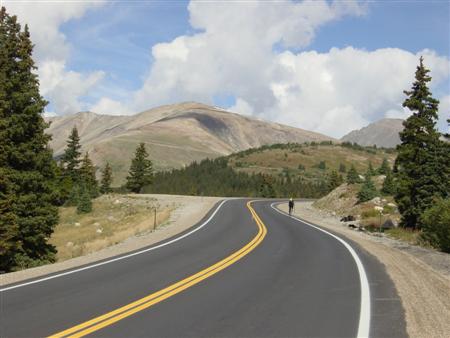

 the picture at the left, you have no choice but to ride on the road side of the line. However, even this country road is wide enough that passing shouldn’t be a problem. If there is no line at the side of the road, ride near the outer edge of the roadway but not so close to the edge that you’re having to weave in and out of the traffic lane in order to avoid road debris.
 Tuned In To Cycling